Author name: supadminmain

5 Signs Your Company Needs a Meeting Room Booking System
Default

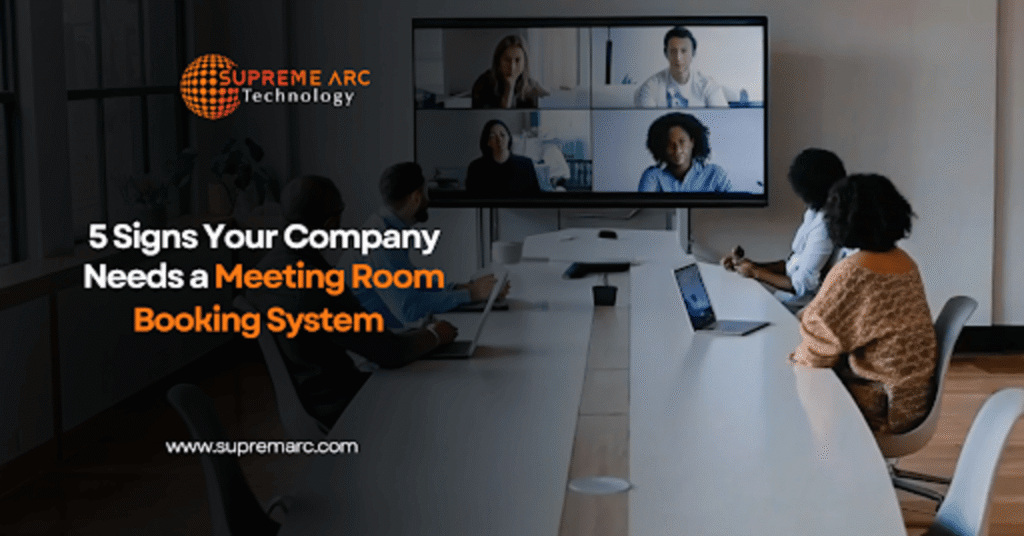
5 Signs Your Company Needs a Meeting Room Booking System

Meeting rooms represent one of the most pressured shared resources any organisation has in a chaotic modern business world. From client presentations to team discussions, training sessions or video conferencing organizations depend significantly on appropriately regulated meeting spaces for performance. As amazing as this sounds, lots of companies still operate meeting rooms manually through emails, spreadsheets or messaging apps, if not – verbally. This may work for very small teams, however as businesses scale this quickly becomes inefficient. This is where the Meeting Room Booking System comes in! A next-gen room booking solution allows organizations to manage their workspace efficiently and schedule the rooms without double-booking. If your office is feeling disorganized, actively wasting time or having difficulty finding places to meet up with clients and co-workers, then it could be a good indicator that it’s high-time for an upgrade. 5 big signs of your business requiring a Meeting Room Booking System. 1. Double Bookings and Overlapping Schedules are Commonly Occurring Another very clear sign that your organization needs a meeting room booking system is the recurring conflict in scheduling. If you don’t have an efficient meeting room booking system, then your staff will be faced with situations like:  This would not look professional and could waste a lot of precious time. With a Meeting Room Booking System these scheduling conflicts no longer occur because employees will be able to see: They can book any space instantly without any additional communication with other people. 2. Employees Spend Too Much Time to Search Available Meeting Rooms For many expanding offices, there is wasted time spent by staff members in finding available conference rooms. It further intensifies in the following situations: With staff members moving around in search of available rooms or spending time on email coordination, productivity is affected negatively. Having a wise Meeting Room Booking System would allow the staff members to: This results in smooth processes, helping staff members concentrate on work rather than coordination. 3. Meeting Rooms Are Being Underutilized or Misused One problem is a company thinks it needs more meeting rooms when, in reality, the issue lies with under-utilization of existing rooms. Failure to track properly, however, leads to challenges such as: Methods through which a Meeting Room Reservation System helps businesses make effective use of their workspace are: From this data, businesses learn about: That is, rather than wasting money unnecessarily on old office spaces, they make better use of existing resources. 4.  Your Office Implements Hybrid/Flexible Working Approach It is clear that there have been changes to how organizations manage their office spaces due to this new working model. Here are the issues encountered while scheduling meetings in a hybrid workplace: The introduction of a Cloud-based Conference Room Booking Application will help manage your hybrid workspace through: It allows employees to schedule their meeting rooms even before reaching the workplace. Within an organization that employs a flexible workspace strategy, a meeting room booking system is now necessary. 5. Your Administrative Team Is Overloaded with Manual Coordination Small companies that use the manual method for handling meeting room requests cannot help but waste a lot of time with this prop, so if your office administrators or HR teams spend hundreds of hours on processing meeting room reservations manually then it is probably time to get automation in place within the company. Manual processes often involve: Having to enter the same information over and over again creates an overhead of unnecessary administrative work and is prone to human error. A Meeting Room Booking System automates such tasks through: This will enable administrative staff to spend more time working on strategic aspects of the business rather than wrangling every little coordination issue. Automation also creates transparency because all employees can see what bookings are available at any given moment in time. Additional Benefits of a Meeting Room Booking System Apart from addressing scheduling problems, the professional Meeting Room Booking System offers various benefits to businesses. Workplace Productivity Employees concentrate on productive collaboration as opposed to scheduling meetings. Employee Satisfaction Effective room scheduling increases employee satisfaction. Professionalism Professional meeting rooms create good client experiences. Evidence Based Decision Making Organizations use data to make sound decisions about office space optimization. Smart Office Technologies Integration Professional booking systems can be integrated into: Choosing the Right Meeting Room Booking System When choosing a Meeting Room Booking System, companies must take into account: Scalability is key because it enables your company to keep using the software even as it expands. Conclusion In light of the transformation of the workplace into collaboration and flexibility hubs. an efficient approach towards management of meeting room spaces becomes extremely important. Companies who still rely on manual meeting space scheduling systems usually struggle with loss of productivity, meeting room overlap and staff dissatisfaction. Is your company struggling with inefficient meeting room scheduling practices? You might want to implement a Meeting Room Booking System. The appropriate solution can boost productivity, streamline operations and improve the employee experience to enable organizations in building a smart office that empowers efficient business toward future eco friendliness.
Access Control Solution Suppliers in Abu Dhabi
Default

Top Access Control Solution Suppliers in Abu Dhabi: What to Look For

Security is not restricted to locks and keys in this rapidly changing business environment. Over years, organisations in Abu Dhabi have been implementing advanced access control systems to help secure its employees, assets and sensitive data as well as operational facilities. Today, businesses around the world are using smart access control technology to achieve not just safety but also operational efficiency in places as diverse and wide-ranging as corporate offices, hospitals & health facilities, warehouses, manufacturing plants, schools, educational and training institutes, shopping malls, residential towers. There are many Access Control Solution Suppliers in Abu Dhabi that offer various technologies and services, and therefore selecting the right provider becomes difficult. The supplier who is right for you does not simply install devices but offers scalable, secure and future-ready solutions as per your business requirement. This guide will help us understand what businesses need to look out for when choosing the right access control supplier in Abu Dhabi. What Is an Access Control System? Access control solutions are used by organizations to secure offices, server rooms, and executive office locations while tracking attendance. Access control systems have replaced manual locks with electronic systems like: Access control systems help organizations keep track of permissions and access in real-time while increasing security. Why Businesses in Abu Dhabi Need Advanced Access Control Abu Dhabi industries with rapid growth include the healthcare, construction, hospitality and education sectors along with logistics & oil & gas as well as the government sector. The industries in question demand extensive security and compliance. How do modern access control systems help alignment? Given the ever-evolving nature of security threats, a growing number of businesses are looking for authentic Access Control Solution Suppliers in Abu Dhabi such that they can provide intelligent and scalable security infrastructure. Key Features to Look for in an Access Control Solution 1. Scalability As your business grows in the future, your access control system must also be able to scale to accommodate: Scalability ensures you do not incur expensive upgrades in the future. 2. Biometric Authentication Seek vendors providing: Biometric access systems ensure that there are no threats related to theft of access cards. 3. Integration Capability The most ideal access control systems have the capability to integrate effectively with other security systems that a company may use, including the following: 4. Cloud-based Access Management Access control systems utilizing cloud technology can allow administrators to track and control access from anywhere. Advantages are: Now, leading providers of access control solution systems in Abu Dhabi offer cloud-based solutions ideal for today’s businesses. 5. Customization Features Each company has its own security needs. A good supplier must provide customization features that can be used in: This guarantees optimum safety and efficiency. Importance of Choosing the Right Access Control Supplier The success of the access control system relies heavily on the skills of the supplier. An experienced supplier offers: Working with the experienced Access Control Solution Suppliers in Abu Dhabi guarantees reliability and proper functioning of the system. What Industries Utilize Access Control Systems in Abu Dhabi Corporate Office Buildings Access control solutions are also used by companies to protect offices, server rooms and executive offices while limiting attendance. Healthcare Facilities Labs, pharmacies and patient record rooms that need to be kept under strict control in medical centers. Educational Institutions The institutions like schools and colleges use access control solutions for better security. Warehousing & Logistic Centers Access control provides security of warehouse products and restricted operation areas. Hospitality Sector The hospitality sector utilizes advanced access control systems for hotels. Government/Public Sector Government buildings need very secure access control systems with robust monitoring capabilities. Signs of a Reliable Access Control Supplier While assessing the providers of Access Control Solutions in Abu Dhabi, keep in mind the following criteria: Experience within Industry Look for suppliers with extensive experience within various industries and implementation of projects successfully. Quality of Product Offerings Make sure that they offer global products with certified security systems. Expertise and Certification They must have experienced technical specialists certified as security professionals. Technical Service Support Use of preventive maintenance and technical support are essential to keep it up and running. Those suppliers having their presence in Abu Dhabi would find it easy to provide the services. Future-Proof Technology Select technology supporting AI-based analytics, mobile credentials, and cloud management. Benefits of Modern Access Control Systems Organizations that opt for modern access control systems benefit from various aspects such as: Modern systems not only make organizations secure but also smart workplaces. Why Businesses Prefer Integrated Security Solutions In today’s world, companies are more inclined towards using security ecosystems than individual gadgets. The access control system that is combined with other technologies such as video surveillance and automation offers: It enables companies to optimize their security and productivity. Choosing the Right Technology Partner Choosing the right security partner is essential to protect your business in future. Leading Access Control Solution Suppliers in Abu Dhabi Focus on: When you invest your property with a well reputed company, it will be the best investment on course. While businesses in Abu Dhabi continue to prioritize secure infrastructure and operational efficiency, access control systems are increasingly used as a key security solution. Thus, selecting the appropriate supplier is essential since this will ensure dependable protection and scalability while smoothly incorporating into your existing programs. The focus for the user should be on product quality and system integration capabilities of Access Control Solution Suppliers in Abu Dhabi along with their scalability, know-how & post-sale support. An effective access control system not only enhances security level but also improves efficiency of the workplace and minimizes business management issues. Supreme Arc is for smart and flexible access control solutions that evolve with the most sophisticated security needs of businesses in Abu Dhabi & UAE.

What to Ask Before Buying a Facial Recognition System
Default

What to Ask Before Buying a Facial Recognition System for Your Business

However, recent technological advancements in the field have been remarkable, and a number of companies in the UAE have embraced the use of various biometric systems to guarantee increased safety and operational effectiveness. Some of these technologies that are being utilized include Facial Recognition Systems which can be integrated into different structures such as offices, commercial buildings, warehouses, schools, hospitals, and even governmental institutions. The Facial Recognition System is a state-of-the-art security measure that allows touch-free verification, speed, security, and smooth integration with access control and time attendance platforms. Nonetheless, there are a number of critical questions that businesses must consider prior to purchasing such technology to determine its suitability. This article highlights some of the essential questions to ask before you buy a facial recognition system for your company. 1. What is the Primary Goal of the Facial Recognition System? Prior to choosing any system, companies should define their goal first. The following questions are worth asking: According to your requirements, you may just require attendance tracking functionality or you may require additional security features. 2. Accuracy of the Technology Accuracy is an important indicator for evaluating facial recognition technology. An inefficient technology would result in: While communicating with the suppliers, consider asking the following questions about the recognition technology used: Advanced artificial intelligence-powered technologies deliver extremely high recognition accuracy rates. 3. Effectiveness of The System in Different Lighting Conditions? Facial recognition is greatly influenced by the lighting conditions. It is crucial for organizations to be aware whether the Facial Recognition System works effectively under: The most advanced facial recognition systems use infrared technology or a combination of two cameras; thus, work under any lighting condition. 4. Is This System Capable of Handling Huge User Databases? Scalability is important for growing businesses. Whereas some solutions can cater to several hundred people, there are other solutions that can manage several thousand people from various branches. Consider questions such as:  5. Can It Work Well with Other Security Systems? It is very common for modern organizations to incorporate several different security systems. A good facial recognition security system needs to be compatible with the following systems: Compatibility will ensure better efficiency. 6. Is the System Contactless and Hygienic? In the wake of the pandemic, it is now common for most companies to embrace contactless security systems. The system does not need physical touch such as fingerprinting or even sharing access cards. This hygienic approach towards this kind of security system makes it quite effective. This applies especially within the health industry, education, and business environments among others 7. What Kind of Security Features Are Provided? All facial recognition technologies do not provide the same amount of security. The business should inquire about security features like the following: The anti spoofing feature prevents the possibility of bypassing the security system using a photograph or a mask. A Facial Recognition System will keep the property and sensitive employee information safe. 8. Is the System Compatible With Privacy Standards? The biometric data can be treated as a piece of private information and must be handled appropriately by companies. Questions for the vendor: 9. What is the Installation and Maintenance Cost? Many firms concentrate solely on hardware cost and ignore the operational costs. Request a list that includes: The understanding of the total cost will help the business budget better. 10. How Quick Is the Recognition Process? In a business environment, quickness counts. A slow system can lead to: A good facial recognition system can authenticate users in seconds. Companies should evaluate system recognition time before making a final decision on purchase. 11. Is the System Capable of Remote Management? The system that utilizes cloud technology allows administrators to perform management remotely via smart phones or through the website. Possible functions of remote management might be as follows: Remote management makes a lot of sense for multi-branch companies. 12. What Kind of Support Do They Provide? It is imperative that technical support should be provided to any security system. The following points need to be kept in mind before buying: Good support ensures that your security system works well. 13. Does the System Have Reporting and Analytics Capabilities? The ability to report helps companies enhance their security and manpower management capabilities. Some useful reporting capabilities are: An intelligent Facial Recognition system gives companies more than just security information. 14. Does the System Have a Future Ready? The technology keeps advancing, hence making it necessary for businesses to choose systems that can grow with the business. Future ready systems include: Final Thoughts A Facial Recognition System can play an important role in ensuring the security and efficiency of your business and operations. Nonetheless, choosing the best system is not only a matter of price comparisons. The following questions regarding accuracy, flexibility, integration, security, support, and future readiness will ensure that businesses select appropriate systems which will serve them well in the future. If you are working at a corporation, warehouse,  hospital, school, or any other organization in the UAE then selecting the most suitable facial recognition system for your business is crucial for establishing a productive environment.

How Much an Access Control System Cost in the UAE
Default

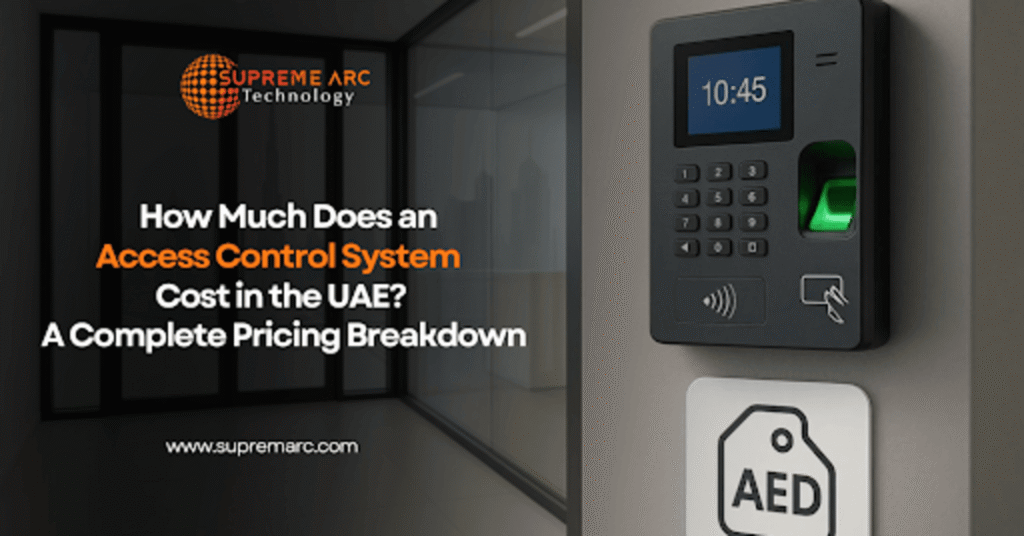
How Much an Access Control System Cost in the UAE? A Complete Pricing Breakdown

In the UAE, security is no longer an option for businesses and sectors such as residential towers & warehouses, schools and commercial facilities. It’s from the offices entrance to parking gates and server room companies are adopting smarter security measures so they can monitor people’s entry into their premises. Most businesses have one common question before implementing Access Control System Cost in the UAE. The answer varies based on the system type, number of doors, authentication technology used for entry point control software requirements and installation complexity. Here is the complete pricing breakdown to help you understand how much an Access Control System costs for your business in Dubai, Abu Dhabi, Sharjah and around the UAE. What is an Access Control System? Access Control System refers to a type of security system that controls and oversees access to a building, room, gate or any other restricted area. Unlike the use of physical keys to gain access to these restricted locations, access control uses the following technological means: Factors That Affect Access Control System Cost Cost considerations for the Access Control System depend on a variety of technical and functional requirements. Below are the variables that impact price in the UAE marketplace. Perhaps the largest cost driver is the number of doors involved. Installation in an office consisting of one door is much cheaper compared to a multi-level corporate establishment with a dozen or more controlled doors. Each new door needs: The more doors you secure, the higher the overall system cost. 2. Type of Authentication Technology The cost is also affected by different types of access technology. RFID Card Access System: They are the cheapest and most common type of system used in office and retail settings. Approximate Cost Estimate: AED 1,000 – AED 3,500 per door Biometric Access System: It gives better security compared to the RFID card and eliminates card sharing problems. Approximate Cost Estimate: AED 2,500 – AED 8,000 per door Face Recognition Access System: This technology is preferred in places requiring high security and a touchless setting. Approximate Cost Estimate: AED 4,000 – AED 12,000 per door Cost increases depending on the sophistication level of the technology used. 3. Types of Locking Systems Lock systems can affect prices in terms of their selection. Examples of common locks systems are: High security locks and high security gates are usually more expensive than normal office door locks. 4. Software & Management Platform Modern solutions will have central management software that provides: Most cloud management software solutions are generally on a pay-per-use basis, but on-site software might have a single license cost. The price of software packages ranges between AED 1500 to AED 20000. 5. Difficulty in Installation  Installation costs include the following: Refitting existing buildings may require higher costs of installation Less Obvious Cost Factors During calculations for Access Control System Cost, many companies ignore operating costs after purchase. Annual Maintenance Scheduled maintenance keeps your systems functional and available. Software Upgrades More advanced products may even require software licenses or subscription services to be paid for. User Identification Additional costs would accrue as RFID badges, smart phone access, and fingerprints would be needed. Costs of Integration Integration of your access control solution with CCTV, HR attendance tracking, elevators, or enterprise resource planning systems can cost you more. Access Control System Cost Based on Industries Offices and Corporate Buildings Normally, offices need integration with the employee attendance system and visitor management system. Warehouses and Factories Outdoor readers and gate automation system required. Residential Tallest Buildings Normal access control requires lobby access, car park barrier, and intercom system. Education Institutes Student attendance tracking and overall access control system requirement. Healthcare Institutions High security with restricted access and audit required. There will be specific requirements in each sector which will define the final Access Control System Cost. Is Cloud Access Control Costlier? While cloud solutions may have less initial investment on hardware, there are monthly or yearly charges involved for using the service. Advantages are: For expanding companies in the UAE, cloud access control makes financial sense in the end. Access Control System Costs Reduction There are several measures businesses can adopt to reduce costs while maintaining security: Quality hardware investment will further cut costs in the future. The Importance of Selecting the Proper Supplier A good supplier would be one who is able to offer you: Even though low quality systems might cost less up front. In the long run they might end up causing you more problems than solutions. If you’re looking for suppliers in the UAE  keep in mind several key points. The Access Control System Cost in the UAE will vary according to your security needs, technology preferences, number of entry points, and additional software features. For some offices, a simple RFID access control will suffice. On the other hand, others decide to secure themselves fully by going for a biometric access control system. Getting a clearer idea of the pricing and cost associated with access control systems in the UAE can enable businesses to make more informed decisions. Moreover, it helps them ensure maximum security and efficiency. Whichever form of access control system you may wish to choose, having knowledge of what you ought to select is important. To effectively implement an access control system in Dubai or the UAE, seeking a professional access control systems provider becomes necessary.

How Dubai Retailers Are Using Electronic Shelf Labels to Cut Costs and Improve Accuracy
Default

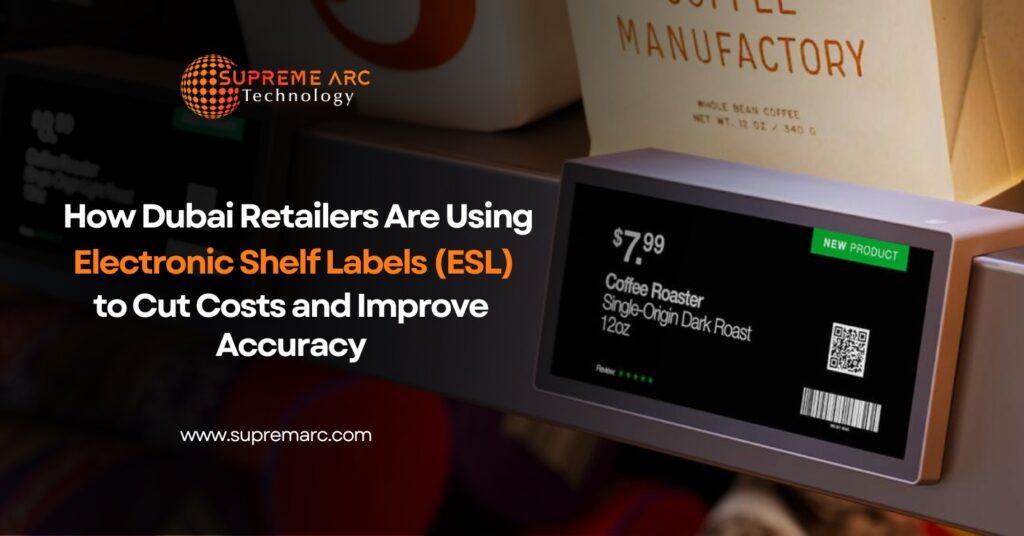
How Dubai Retailers Are Using Electronic Shelf Labels to Cut Costs and Improve Accuracy

In Dubai extremely high competitive environment when it comes to retail and positive customer experience are becoming some of the key drivers for success. From supermarkets and hypermarkets to electronics shops, pharmacies, and clothing stores, companies constantly seek new technologies that could help them simplify their processes while cutting down costs at the same time. Among such new technological trends, Electronic Shelf Labels have become extremely popular and continue to revolutionize the industry since retail companies have to deal with thousands of items, frequent changes in pricing, and omni-channel operations. This article provides an insight into how Dubai’s retailers utilize ESL Solutions to cut operational costs, reduce pricing errors, and improve their performance. What Are Electronic Shelf Labels? An Electronic Shelf Label (ESL) is an electronic device that replaces paper-based price tags by being placed at retail stores on shelves. The ESLs can be linked to a central management system from which retailers can update prices, promotions, and information about products instantaneously at all locations. Current-generation ESL solutions include e-paper display screens which have the advantage of clarity, reduced energy consumption, and long battery life. Some of the features included in the display screen are: – Product names – Prices – Promotions – Barcodes and QR codes – Inventory levels – Specifications of products The Growing Demand for ESL Solutions in Dubai The Dubai retail industry is one of the most developed retail industries in the Middle East. E-commerce, dynamic pricing, and customers’ demands for up-to-date information have led to an increase in automation. A traditional system of pricing using papers may lead to various problems, including: Manual labor when updating prices Human error Discrepancies in pricing on shelves and the point-of-sales system Delayed marketing campaigns Expensive printing To solve these problems retailers are switching to Electronic Shelf Labels as part of their digital transformation efforts. How ESL Help Retailers to Cut Costs Lower Labor Cost Another important aspect that adds to the costs of retailers is the labor cost. This is because, in cases where the retailer has thousands of SKUs, there would be a considerable amount of time spent on printing, sorting, and exchanging paper labels on products. However, by using ESL technology, the process of changing prices can be done at once through one interface. As a result, the labor involved in performing tedious tasks will not be needed. Instead, staff members can engage themselves in other activities, including: Lower Costs Due to Reduced Consumption of Resources Involved in Printing Old style shelf labels are dependent on: Costs tend to accumulate over time, especially in case of large retail companies. E-Shelf Labels eliminate the need for regular printing, thereby reducing costs as well as achieving sustainability goals. This ensures that retailers save money by reducing waste in terms of discarded paper labels. Instant Promotion Implementation In retail operations, prices may change instantaneously for hundreds or even thousands of items. With manual intervention, it would take a business hours or even days to complete promotional activities. By leveraging the advantages offered by ESL solutions, promotion implementations are done automatically across all stores. Hence, companies can: Improving Pricing Accuracy with ESL Solutions Human Error Reduction Manual price changes often lead to errors like: ESL provides direct synchronization of the price data with the main database and POS system. This makes the shelf prices equal to checkout prices. Price Synchronization in Real Time In modern-day retail settings, constant changes in prices are needed because of: ESL systems offer retailers real-time solutions for changing prices and maintaining them consistently in: Enhancing Customer Experience Shoppers value transparency in pricing and accurate information provided. Through Modern ESLs, shoppers will be able to view extra information about the product including: This allows the customer to easily purchase the products independently without having to ask employees. Pricing inquiries often eat up the time of employees. Through ESL Solutions, shoppers will be able to obtain accurate pricing and information about the product instantly without causing any delays. Many modern-day ESLs incorporate graphics and color coding. The retailers will be able to show: Facilitating Omnichannel Retailing Strategies Omnichannel retailing strategies are being adopted by retailer as they attempt to create synergy between their online and offline functions. ESLs have a critical role to play here, their ability to facilitate are: Price adjustments based on These updates will reflect instantly across all channels. The ESL systems allow retailers to find items faster using the help of inventory systems that have been integrated into them. This leads to faster fulfillment times for the click-and-collect model and increased customer satisfaction. A few advanced ESL Systems are even integrated with inventory management software to provide real-time stock information. Sustainability Benefits of ESL Sustainability become one of the top priorities among retailers. Adoption of Electronic Shelf Label technology helps achieve sustainability by: Considering that most ESL labels make use of ultra-low power consumption e-paper screens with batteries operating for several years, their adoption makes perfect sense from an eco-friendly perspective. ESL Solutions can help retailers with their ESG initiatives. Which Retail Segments Benefit Most from ESL Solutions? Some successful implementations of ESL in the different retail sectors in Dubai are: Supermarkets and Hypermarkets Frequent price changes and huge product catalogs make ESL an important factor for grocers. Electronics stores Specifications and promotions related to the products can be listed along with the prices. Pharmacies Pricing and regulations can be followed more easily with automatic ESL systems. Fashion stores Seasonal promotions and stock changes can be easily handled via ESL systems. Specialty retailers The large product range makes ESL an important factor in their business operations. In continuation with the digitization process in Dubai’s retail industry, the use of Electronic Shelf Labels is becoming crucial in optimizing processes, cutting down expenses, and providing customers with enhanced experience. With the ability to automate price changes, minimize mistakes related to prices, facilitate immediate updates, and perform omnichannel work, contemporary ESL solutions prove to be profitable for any retailer. Companies that choose Electronic Shelf Labels

Best Biometric Access Control Systems in Dubai
Default

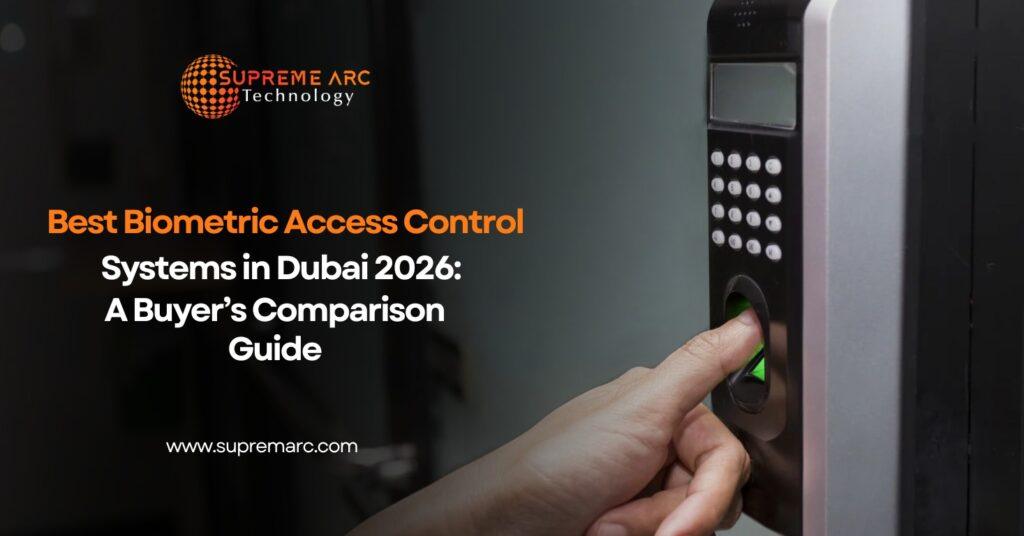
Best Biometric Access Control Systems in Dubai 2026: A Buyer’s Comparison Guide

Firms in the UAE are quickly making the switch from conventional card-based access control systems to Biometric Access Control System technology. The year 2026 will witness a highly significant need for biometric access control systems in Dubai in the office spaces, warehouses, hospitals, banks, data centers, educational institutes, and government buildings. Selection of Biometric Access Control Systems in Dubai is not restricted to the use of fingerprint readers alone. Current access control systems come equipped with features like fingerprint recognition, facial recognition, iris scanning, QR code verification, cloud computing, and artificial intelligence. The difficult part comes in picking the best access control system based on these factors. The following guide will discuss the top three biometric brands currently available in the UAE market: Suprema, Spectra, and CMI Tech. Why Dubai Businesses Are Switching to Biometric Access Control Access cards can be lost, replicated or shared. This is where biometrics truly outshine – they remove these vulnerabilities by relying on singular human identifiers, whether this means the use of a fingerprint, face pattern or iris read. Another aspect attracting many Dubai organizations to move toward a biometric system is that they provide: Enterprise-Grade Biometric Access Control Technologies For Banking, Healthcare, Logistics and other Sectors Bank Institution This enterprise-grade biometric access control technology is a great choice for banks that require high security. Solutions featured at Intersec Dubai 2026 also feature a significant move toward AI-driven face authentication and access control ecosystems operated via the cloud. Key Features to Compare Before Buying Before choosing a Biometric Access Control System in Dubai, consider the following points carefully: Various environments calls for various biometric methods: However, some types of high-security facilities must use iris and people prefer touchless face recognition in the offices. Fast authentication is essential in high-traffic scenarios like offices, metro stations, warehouses and factories. Today, biometric engines use sophisticated matching to verify users in less than a second. Opt for a system with projection across doors, departments and branches in the future. The best systems integrate with: Dubai’s climate can affect biometric performance. Devices should withstand heat, dust, humidity, and outdoor conditions.  Suprema: Best Overall Enterprise Biometric Solution Recognized as a leading Enterprise Biometric brand worldwide, Suprema It also focuses specifically on fingerprint, facial recognition and mobile access integrated security platform solutions. Suprema, on the other hand, is mostly utilized in reputable Dubai corporate and government sectors based simply on a higher accuracy rate of authenticating biometric information backed up with scalable system architecture within operating systems as well as innovative AI-based facial recognition systems. Key Strengths :  A strong focus on fast authentication and cloud-native security management are the key new features of Suprema’s latest BioStation (and accompanying BioStar) platforms just released in 2026. Best Use Cases : Compared to entry-level biometric brands, Suprema systems typically have a higher upfront investment cost. Spectra: Best Budget-Friendly Biometric Solution For organizations seeking affordable biometric access solutions while maintaining key functionality, Spectra is a powerful option. In the Middle East Spectra systems are deployed in UAE schools, clinics and warehousing for SMEs to retail. Key Strengths: Best Use Cases :  The Spectra platform also may have fewer sophisticated AI analytics capabilities, and scaled enterprise management compared to an enterprise offering such as Supreme. CMI Tech: Best High-Security Iris Recognition System CMI Tech provides you a clarity of looks at its top level with iris recognition technology for ultra-secure environments. Another distinction is the identity assurance and false acceptance rates that iris authentication provides as compared to traditional fingerprint systems. CMI Tech is an iris and face identification system developer for national infrastructures and high-security areas. Key Strengths : The EF-70 and the EF-45NC platforms from CMI Tech support two-factor iris + face recognition with authentication times under one second. Best Use Cases : Usually, these are high priced and consequently usually overkill for a normal office environment. Which Biometric Access Control System Should You Choose? Choosing the right Biometric Access Control System in Dubai depends entirely on your operational needs. Pick Suprema: Looks like you need enterprise-grade scalability, AI-powered authentication, advanced integrations. If you need a daily, dependable solution with reasonable pricing to run your day-to-day business operations choose Spectra. Then go for CMI Tech if your organization needs the utmost level of security using biometric with advanced iris authentication. But if you are a business in Dubai looking to put digital transformation initiatives into motion, an investment now for the right biometric platform has the potential of providing your workforce with enhanced workplace security, improved operational efficiency and compliance as needed in future. Final Thoughts Organizations pursuing security, efficiency and digital transformation can no longer afford to overlook investing in the right Biometric Access Control System. Whether a high performance enterprise-wide Suprema biometric solution, cost effective deployment with Spectra biometrics or advanced iris recognition technology from CMI Tech; picking the right identification and security solutions for your organization can greatly enhance workplace safety and operational control. Similarly, by 2026 biometric technologies will keep advancing and companies in Dubai with accessible smart scalable AI driven access control systems on board are much better at securing their facilities while offering a seamless user experience.

Attendance Management System
Default

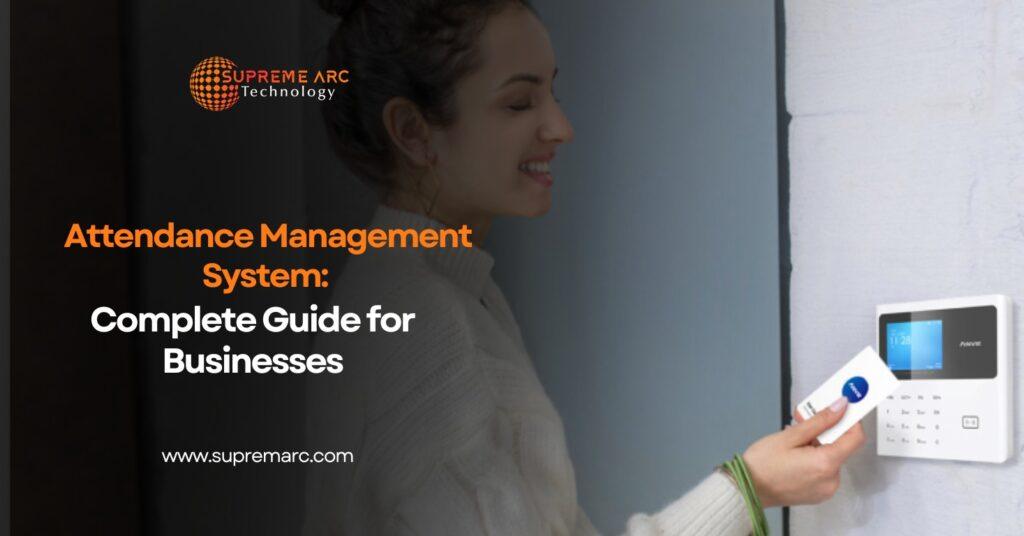
Attendance Management System: Complete Guide for Businesses

Nowadays, managing employee attendance effectively in a fast-moving business environment has become a necessity rather than a choice. An advanced Attendance Management System enables businesses to monitor employees’ working hours accurately, elevate overall output, minimize human errors, and adhere to labor laws without any fuss. Be it a small, medium or large company, the perfect solution can bring in radical changes in managing human resources. What is an Attendance Management System? Attendance Management System is a software tool that facilitates the recording and regulation of student / employee attendance, work hours, leaves and shifts. Contrary to old ways when people used to make a time register on a paper or fill in time sheets, today attendance in most cases is registered automatically by means of technologies such as RFID, biometrics, and mobile apps. Such systems deliver precise and up-to-date information which not only aid companies in deciding but also reduce the amount of work on office personnel. Why Businesses Need an Attendance Management System Manual attendance tracking is prone to errors, time-consuming, and lacks transparency. Modern companies need effective tools that would help deal with increasing challenges associated with their staff. Let us consider five reasons why the adoption of Attendance Management System is necessary for any business: 1. Greater Accuracy With the help of automated tools, it is possible to avoid mistakes caused by manual processes, including the absence of records, buddy punches, and even inaccuracies. The use of biometrics is one of the ways of ensuring reliable attendance tracking. 2. Saving Time and Money Automation allows saving time required for manual calculations, which will eventually result in cost savings. 3. Higher Productivity Since employees become more responsible for tracking their attendance, it positively affects their productivity. 4. Real-Time Tracking The use of the system allows monitoring employee attendance immediately. 5. Compliance with Labor Laws It becomes easier to control the implementation of labor laws through the Attendance Management System. Types of Attendance Management Systems Different companies have different demands. It is your operational capabilities that determine what system would be the best choice for you. 1. Biometric Attendance Systems Such systems utilize fingerprint, face recognition, or iris recognition to take attendance. They are very safe and cannot be faked by proxy attendance. 2. RFID-Based Systems Using RFID cards or tags, employees who need to register their attendance simply pass their cards through scanners. These systems operate at high speed, without physical contact, and they are perfect for really large companies. 3. Mobile-Based Attendance Through the marking attendance on a GPS tracing mobile application, employees make their attendance. It is super-efficient for remote teams and field employees. 4. Cloud-Based Systems With such solutions, companies are able to see attendance records no matter where they are. In addition to being scalable, cloud solutions are also quite simple to connect to other HR systems. Key Features to Look For Attendance Management System selection is essentially about focusing on business features that boost efficiency and develop ease of use. 1. Automated Time Tracking The system identifies employee check-in and check-out times without manual intervention. 2. Leave and Shift Management Automates the entire process of leave application, approval, and shift allocation. 3. Real-Time Reports and Analytics Offers profound understanding related to attendance trends, absenteeism, and staff productivity. 4. Multi-Location Support Designed primarily for companies having multiple branches or offices. 5. User-Friendly Interface Both employees and administrators are provided with the intuitive and simple to navigate dashboard. Benefits of Implementing an Attendance Management System Installing a modern Attendance Management System can be a wise choice if you’re looking for the benefits that last far into the future: Streamlined HR Operations The automation takes away a big part of the work that HR folks do. So HR teams get more time on the clock to work on bigger ideas and less on paperwork. Increased Transparency Workers get to know when they were at work, a simple way to cut down on misunderstandings and build up confidence. Better Workforce Planning Given that they have attendance info at their fingertips, it is feasible for team leaders to schedule work shifts, assign personnel, and make workforce use more efficient. Scalability When your business develops, the system will be able to handle the increasing number of your employees with ease. Data Security Computerized systems promise not only the safe keeping of attendance data but also the possibility of recovery and protection by cryptography. How to Choose the Right System Choosing the appropriate Attendance Management System takes some serious thought. To make the right choice, follow the suggestions below: Know What Your Business Requires Decide if you want biometric, RFID, or mobile device-based systems depending on the nature of your employees. Think of the Future Pick a tool that can keep pace with your company’s expansion. Check if the System is Compatible with Other Software Make sure the attendance management package can seamlessly sync with your HR, payroll, and ERP systems. Test User Friendliness An easy-to-use system will be embraced faster by the employees. Consider Dependability of Customer Help Opt for a vendor who can provide excellent customer service along with system updates regularly. Future Trends in Attendance Management Technology and innovation will be the main focus over the future of Attendance Management Systems. The ability to predict and perform certain processes automatically is what makes the use of AI technology unique to companies. AI and Analytics In-depth analyses will forecast absenteeism patterns and help in the efficient management of human resources. Contactless Solutions Workplaces after the pandemic are shifting to contactless ones like face recognition and RFID. Mobile and Remote Workforce Management The introduction of hybrid work options has facilitated the use of mobile i.e. on-the-go attendance recording, which is becoming increasingly popular. Integration with Smart Workplaces Nowadays, attendance management tools have not just been confined to traditional work hours and this is the reason, these tools are incorporated into the broader smart workplace environment such as integration with access control and security systems. Conclusion  An Attendance Management

Default

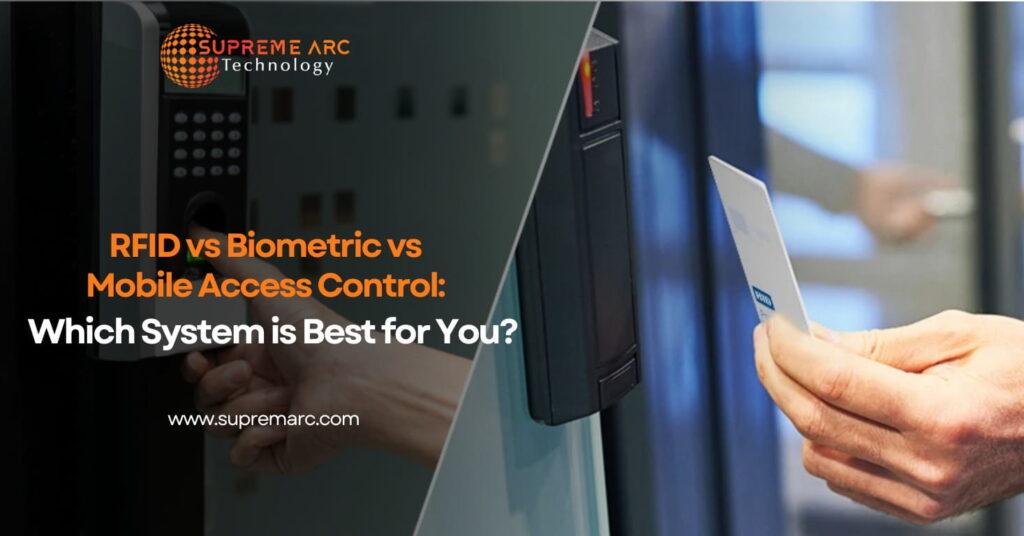
RFID vs Biometric vs Mobile Access Control: Which System is Best for You?

Given how rapidly security is changing today, it is quite crucial to know that doors access control systems are top of the list items when it comes to security. Enterprises are progressively abandoning conventional mechanical locks and switching to sophisticated access control systems that not only increase security but also provide convenience and operational efficiency. The most commonly used types come down to RFID, biometric and mobile-based access control systems. They all have their special features, however, choosing the right one will be influenced by your business requirements, the amount you are willing to spend, and how secure you want the level to be. This article will analyze RFID, biometric and mobile access control systems so, on the basis of that, you can decide which one is the most suitable for your enterprise. Understanding Access Control Systems warehouses, data centers, and residential complexes. Contemporary systems not just secure the complexes but also get information from data, works automatically for the attendance, and even lead to the overall improvement of the management. Let’s review the three dominant technologies. RFID Access Control Systems Radio Frequency Identification (RFID) systems use cards, key fobs, or tags to grant access. Users simply tap or wave their RFID card near a reader to unlock doors. Key Benefits: Limitations: Best Use Cases: RFID systems are ideal for offices, schools, hotels, and facilities with a large number of users where speed and convenience are priorities. Biometric Access Control System Utilizing the uniqueness of one’s physiology/behavioral characteristics like fingerprints, face, or irises, biometrics enable access control. Strengths: Weaknesses: When to Use Biometrics? Biometric access control systems are more often implemented in places where high-security levels are required including governments, data centers, labs, banks, etc. Mobile Access Control Systems Mobile access control refers to the use of one’s smartphone acting as a digital key which grants the user access to the door unlocking the feature through Bluetooth, NFC, or QR codes. Key Benefits: Limitations: Best Use Cases: Mobile access solutions work very well in modern office spaces, shared offices, smart buildings, and tech-savvy companies. Which System is the Best for You? Choosing the best door access control systems are dependent on your specific needs. Here’s a very easy to follow guide: Hybrid Access Control: The Smart Choice In fact, it is quite common for businesses to go for a hybrid system that merges various technologies. By way of illustration, they can: With a hybrid method you may have the best of both worlds plus you can meet different business requirements. Key Factors to Consider Before Choosing There are a few factors that you should take into account before installing an access control system: 1. Security Needs First of all, you should look at what level of security you need for a facility. 2. Budget Try to strike a balance between the initial cost and the long-term value. 3. User Volume Big companies may want to go for a flexible option like RFID or mobile access. 4. Integration Make sure that the new system can be connected to other ones you already have like CCTV, attendance, or HR software. 5. Ease of Management Choose those systems which give you the possibility of centralized and remote contro Future Trends in Door Access Control Systems Access control technology is evolving rapidly along with the development of technology in general. Investing in door access control systems, for example, is the kind of decision that should be made with possible future needs kept in mind too, the ones that the business will be able to meet or respond to the changes/ upcoming trends. Putting AI together with access control is probably among the top advancements. AI-based machines can examine the user’s behavior, find irregularities, and even pinpoint unusual access patterns in a live situation, which subsequently helps to beef up security. In fact, it is a level above the traditional ways of authentication by adding a new level of smarts. Cloud-based access control is another booming trend. Instead of using the local or on-site servers, more and more organizations are moving to cloud platforms, which enable administrators to manage access remotely from any place. This is a great plus for multi-location companies, hence it makes the work easier and cuts the infrastructure costs. Last but not least, Sensing equipment that doesn’t require physical contact with the touch surface is becoming an essential element. Mobile access and face scanning systems are quickly becoming adopted due to hygiene reasons and a pleasant experience for users. These types of devices are anticipated to become mainstream solutions, especially in those businesses which always prioritize safety and efficiency. Why Go With Supreme ARC? When you are looking for a custom access control solution to fit your business needs, Supreme ARC will be your best option. Whether you require access control based on RFID, biometrics, or even mobile devices, our experts will help you make it happen. We offer our assistance to numerous businesses from different fields to ensure that they receive appropriate door access control systems according to their demands and prepared for future use. Conclusion RFID, biometric, and mobile access control systems all have their own unique set of benefits. What is most suitable for your company will be decided on your priorities. Do you want a cheap system, one that is highly secure, or one that is easy to use? As tech develops, companies are going for mixed systems in order to get just the right security and convenience. If you want to modernize your access control system, the best moment to choose a clever and expandable system that matches your company’s main objectives is right now.

Default

Top Access Control System Provider in Saudi Arabia: How to Choose the Best One

You don’t just secure your business through locks and keys anymore. It has become a whole lot involved with intelligent systems that provide you with control, visibility and efficiency. Besides offices, organizations are also looking at smart technologies to secure their people and assets. It is the Top Access Control Systems Companies that are performing a very significant role here. Businesses especially in the Middle East, among the leading Access Control Systems Companies in Saudi Arabia, are implementing cutting-edge access control systems not only to simplify their operations and expand safety but also to facilitate their digital transformation. What Is an Access Control System? Access control system is a set of security tools, to control people who can enter or leave certain areas. It is possible to use different technologies, from simple card systems to biometric and cloud-based platforms. Such systems are made to help unauthorized people from getting into restricted areas, thus making physical and data security, two aspects, that will increase. However, today’s systems don’t just do the basic control of people entering. Apart from controlling access, they also are used for marking attendance, managing visitors, and even controlling building operations, thus becoming an integral part of smart infrastructure. Why Businesses Are Moving Toward Smart Access Control Traditional security systems simply do not meet the needs of a world that runs on mobility and real-time data. Flexibility, scalability, and intelligence are some of the most important features that solutions must have today to be viable for businesses. 1. Improved Security and Risk Reduction Smart access control systems employ biometric authentication, RFID cards, and facial recognition technologies, among others, to stop unauthorized access. Considering scenarios such as stealing, a breach of personal data, or security threats coming from insiders, these systems are capable of drastically reducing the risk of these occurring. 2. Real-Time Monitoring and Control Administrators are enabled by the modern systems to keep an eye on access activities live. Whether you are keeping a track of employees’ entry or handing out visitor access, in every case, businesses have enhanced visibility over their premises. 3. Better Operational Efficiency With access control automation, traditional manual operations such as key handling and security recording are not required anymore. Such measures result in a more rapid pace of work and less human error. 4. Scalability for Growing Businesses When companies grow, security is not the last thing to change. Smart access control systems are very flexible in terms of scaling up, which means that businesses can register new users, add new locations, and introduce new features very easily. Key Technologies Transforming Access Control The creativity of the leading companies in top access control systems is revolutionizing the way business security is handled. Some of the most disruptive technologies are: Biometric Authentication Biometric technologies measure fingerprint, face, iris scan or palm to authenticate a person’s identity. These methods are extremely secure and get rid of the possibility of lost or stolen access cards. Cloud-Based Access Control Cloud-based systems give the ability to control access rights from a distance. Control of several locations from one central dashboard is possible, which is a great feature of enterprises that have distributed operations. Mobile Access The role of conventional access cards is now played by smartphones. Mobile apps enable employees to open doors, which provides them with greater comfort and at the same time the cost is reduced. RFID and Smart Cards Due to their reliability and simplicity of use, RFID-based systems are still a favorite. They can be seen in various places such as offices, hotels, and industrial facilities. Touchless Entry Systems Since the onset of the pandemic, the demand for touchless solutions has greatly increased. In addition to raising the level of hygiene, these systems are also able to keep good security standards How Smart Access Control Is Transforming Businesses Access control systems don’t only make a place secure, they also have a hand in how well business performs. Smart Workplaces The role of access control systems is to help create workspaces that can be changed easily. With office door access granted by the system according to time, work function, or permission level, the areas can support hybrid work. Data-Driven Decision Making Besides just granting entry, the latest access control systems provide the business with insightful information about employee movements, attendance levels, and space usage. These insights help companies at different levels scale down their operations, increase efficiency, and at the same time save employees’ time Integration with Other Systems Besides being compatible with CCTV and alarm systems, contemporary access control systems are also integrated with human resource software. As a result, a single security control center turns out to be not only effective but also efficient. Improved Compliance and Reporting By simply tracking who has gone in and out and when, organizations can produce reports for audit and compliance purposes in an easy and timely manner. What’s more, the administration workload is greatly cut down. How to Pick the Right Access Control System Company Choosing the right company is extremely vital in obtaining excellent performance from the access control system. Below are the considerations: Conclusion Nowadays, the importance of access control systems in business cannot be overstated. As security, efficiency, and digital transformation keep dominating organizations’ priorities, purchasing smart access control solutions is no longer a matter of choice, it becomes a matter of necessity. For instance, the earning Top Access Control Systems Companies in Saudi Arabia, among others, lead the pack in introducing breakthroughs by using biometric, cloud-based, and mobile access to their products and services. With the help of the right company, firms can improve their security and also open the door to their increased operational efficiency and growth.

Default

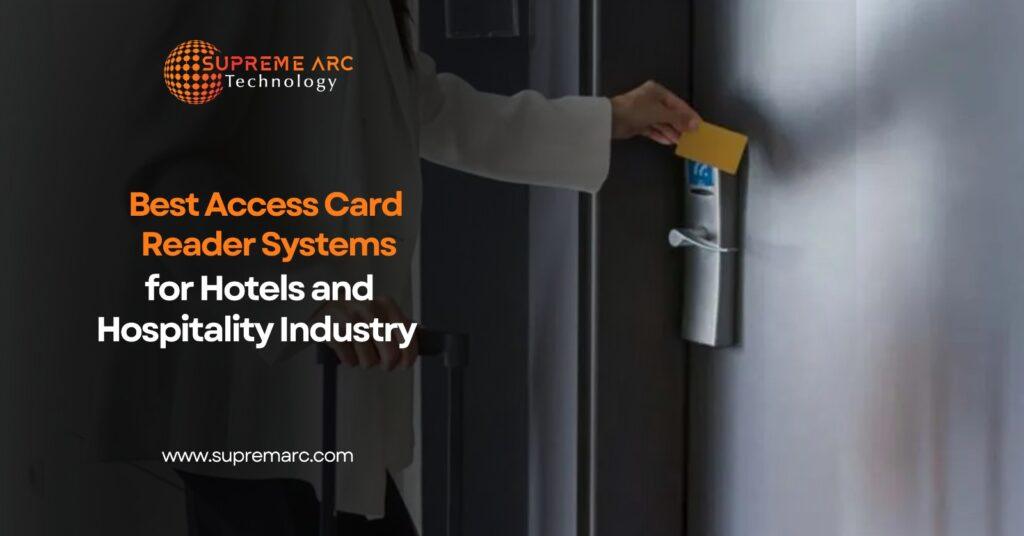
Best Access Card Reader Systems for Hotels and the Hospitality Industry

In today’s fast-changing world of the hospitality industry, security and customer experience go hand in hand. Keys have now become a thing of the past for the hotel industry. Advanced card readers are what they need to give their customers a hassle-free and secure experience. It does not matter if the hotel is high-end or low-end; the latest access control systems have been transforming guest access, employee access, and security of hotels around the world. This blog discusses the top access card reader systems for hotels and their importance in the hospitality industry. What Are Access Card Reader Systems in Hotels? Access Card Reader Systems refer to the electronic security measures that enable hotels to regulate and keep track of doors or facilities opening by way of issuing programmable cards or credentials. Most of these mechanisms rely on RFID (Radio Frequency Identification) or magnetic stripe cards as an access medium. Through check in, guest’s access rights are recorded into a card, which serves as an entry key only to different authorized areas for a limited period of time. Radio frequency identification Besides that, current solutions are capable of cooperating with hotel property management systems (PMS), which leads to automatically granting and revoking of access permissions when performing guest check-in and check-out respectively. Why Hotels Need Advanced Access Card Reader Systems 1. Enhanced Security Access card systems are excellent for security, as they regulate who comes in and out, allowing only authorized guests and staff to enter certain locations. Besides, they offer a clever feature that makes changing the locks unnecessary if a card gets misplaced, as the lost card can be deactivated immediately. 2. Improved Guest Experience Having room keys that work by just a tap or a swipe gives a great, comfortable access to rooms. Contactless systems cutting down on waiting times is a plus, resulting in higher overall contentment. 3. Operational Efficiency Apart from physical key changes, hotels have the digital capability to allocate rooms, allow extra days for stays, or even change room access rights, all these being done very conveniently without physical presence. 4. Centralized Control One of the biggest advantages of keeping up with the times is that a hotel can not only secure its premises but at the same time has the ability to see who comes in and out, knows where the staff is at any moment, and can pretty much have total control over security. Types of Access Card Reader Systems for Hotels Picking the right system will be based on factors like your hotel size, budget, and security needs. Here are the main types of systems that are currently used most widely: 1. RFID Card Reader Systems RFID card-based systems are by far the most prevalent choice in current hotel industries. These contactless readers give guests the convenience of unlocking doors just by being close to the card. Main Advantages: A hotel aiming to give its visitors a luxurious stay with minimal hassles is better off with an RFID system. 2. Magnetic Stripe Card Readers Traditional options include swiping your card at a card reader. Main Advantages: However, magnetic stripe cards break down more easily than RFID technology-based ones. 3. Smart Card Readers (NFC-Based) Smart card readers incorporate state-of-the-art chips and NFC (Near Field Communication) technology, allowing a highly secure, encrypted communication channel. Major Advantages: It is very common to see the use of these systems in prestigious and technologically advanced hotels. 4. Mobile-Based Access Readers Modern hotels are progressively rolling out mobile key systems with which guests can use smartphones as digital keys. Advantages of mobile keys: Mobile key systems not only give guests a new level of convenience, but also the hotels are getting digitally transformed with them. 5. Biometric Access Readers Biometric systems are based on fingerprint or facial recognition to verify a person’s identity. Main advantages: Usually, they are installed in luxurious hotels or in very sensitive areas such as server rooms and executives’ suites. Critical Considerations While Selecting Access Card Reader Systems While choosing from different Access Card Reader Systems for your hotel, here are a few critical points to bear in mind: 1. Compatibility with PMS Ensure that the system is compatible with your property management software to ensure seamless task automation on your part. 2. Scalability Get yourself a system that will accommodate your future requirements traveling along with you as you add more rooms or new facilities. 3. Real-Time Monitoring If security is something you value and wish to be in total control at all times, you should consider installs which offer you access logs and the possibility of sending alerts in real time 4. Durability and Reliability You have to ensure that these control systems will be able to perform efficiently and without error even after continuous usage for a long time. 5. Multi-Access Capability Besides rooms, the system should also enable access to elevators, parking, gyms, and other hotel facilities. Benefits of Modern Access Card Reader Systems in Hospitality Streamlined Operations Digital access technology allows hotels to drastically reduce the dependence on labor-intensive manual procedures and as a result, facilitate a faster turnover of guests for both check-in and check-out. Increased Revenue Opportunities Access cards are capable of being combined with other systems like payment, loyalty membership, and different guest services. Improved Safety and Compliance Digital systems make it possible for hotels to generate audit trails which in turn can assist them in complying with the safety and security standards set by their industry. Future-Ready Technology Technological progress in fields such as IoT and mobile integration will allow the hotel to be at the forefront of industry changes. Conclusion Access control technology has become a must-have rather than an extra feature in the hospitality sector. An excellent Access Card Reader System, for example, offers a great way to increase security, make operations smoother, and provide guests with a better experience. Nowadays, aside from RFID and smart cards, hotels may also opt for mobile and biometric access control systems among other

Scroll to Top