In Dubai extremely high competitive environment when it comes to retail and positive customer experience are becoming some of the key drivers for success. From supermarkets and hypermarkets to electronics shops, pharmacies, and clothing stores, companies constantly seek new technologies that could help them simplify their processes while cutting down costs at the same time.
Among such new technological trends, Electronic Shelf Labels have become extremely popular and continue to revolutionize the industry since retail companies have to deal with thousands of items, frequent changes in pricing, and omni-channel operations.
This article provides an insight into how Dubai’s retailers utilize ESL Solutions to cut operational costs, reduce pricing errors, and improve their performance.
What Are Electronic Shelf Labels?
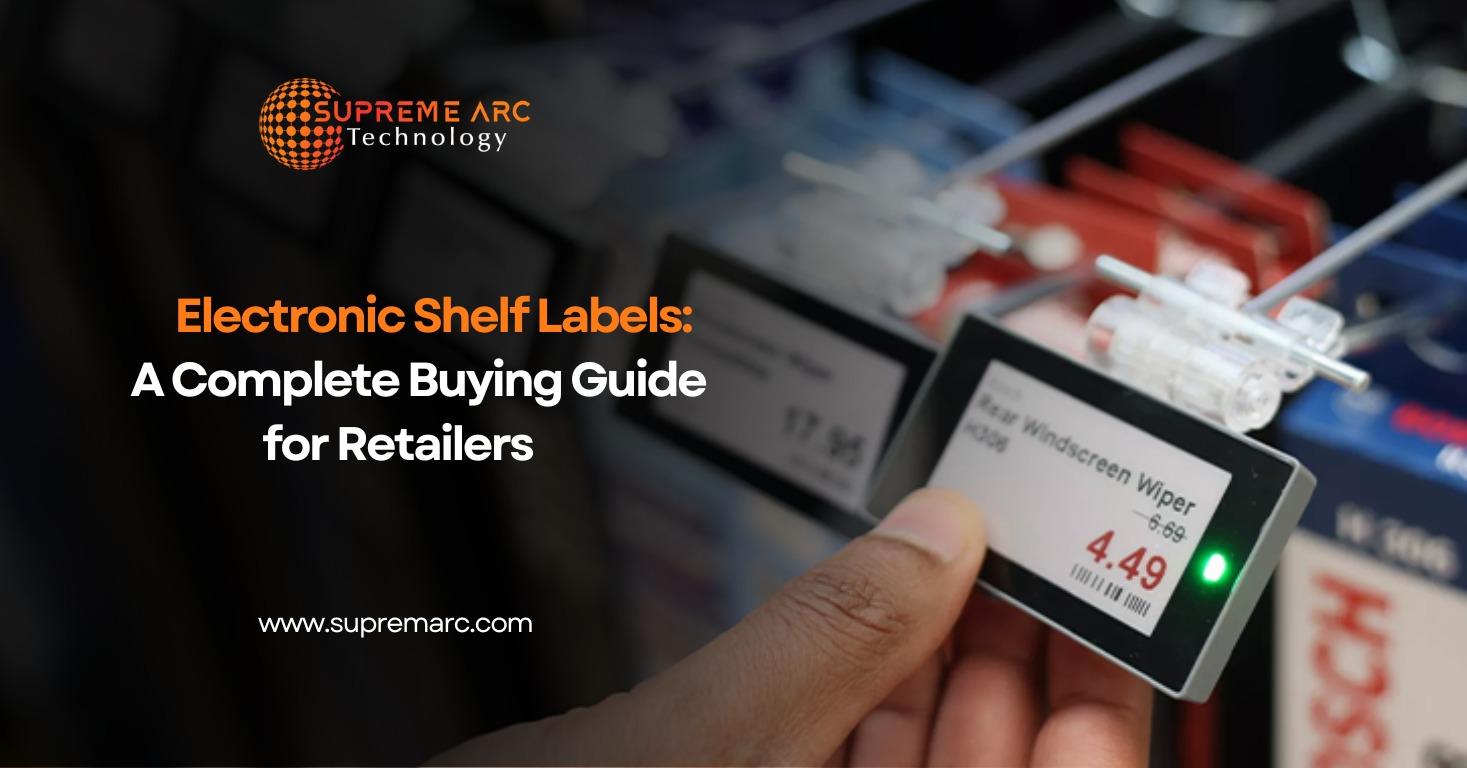
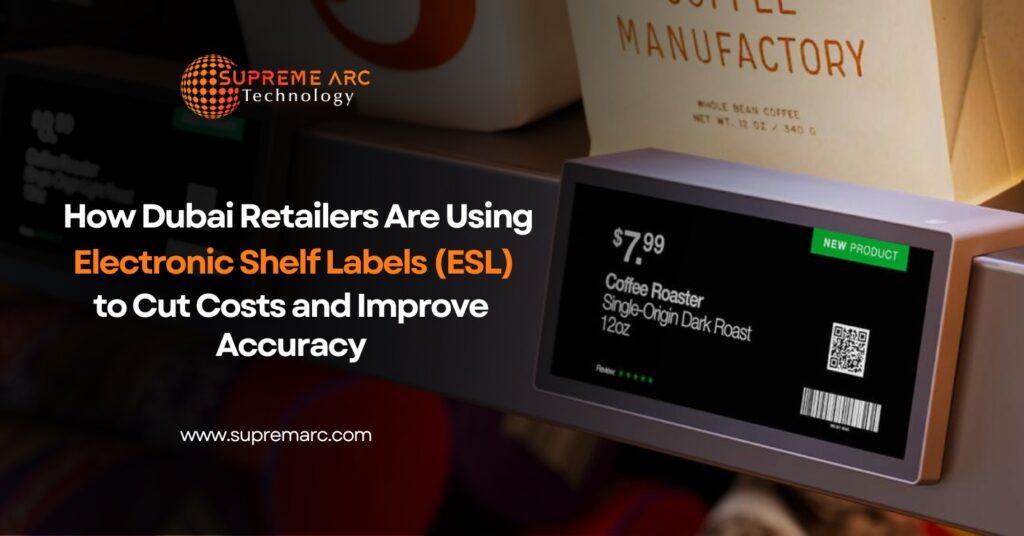
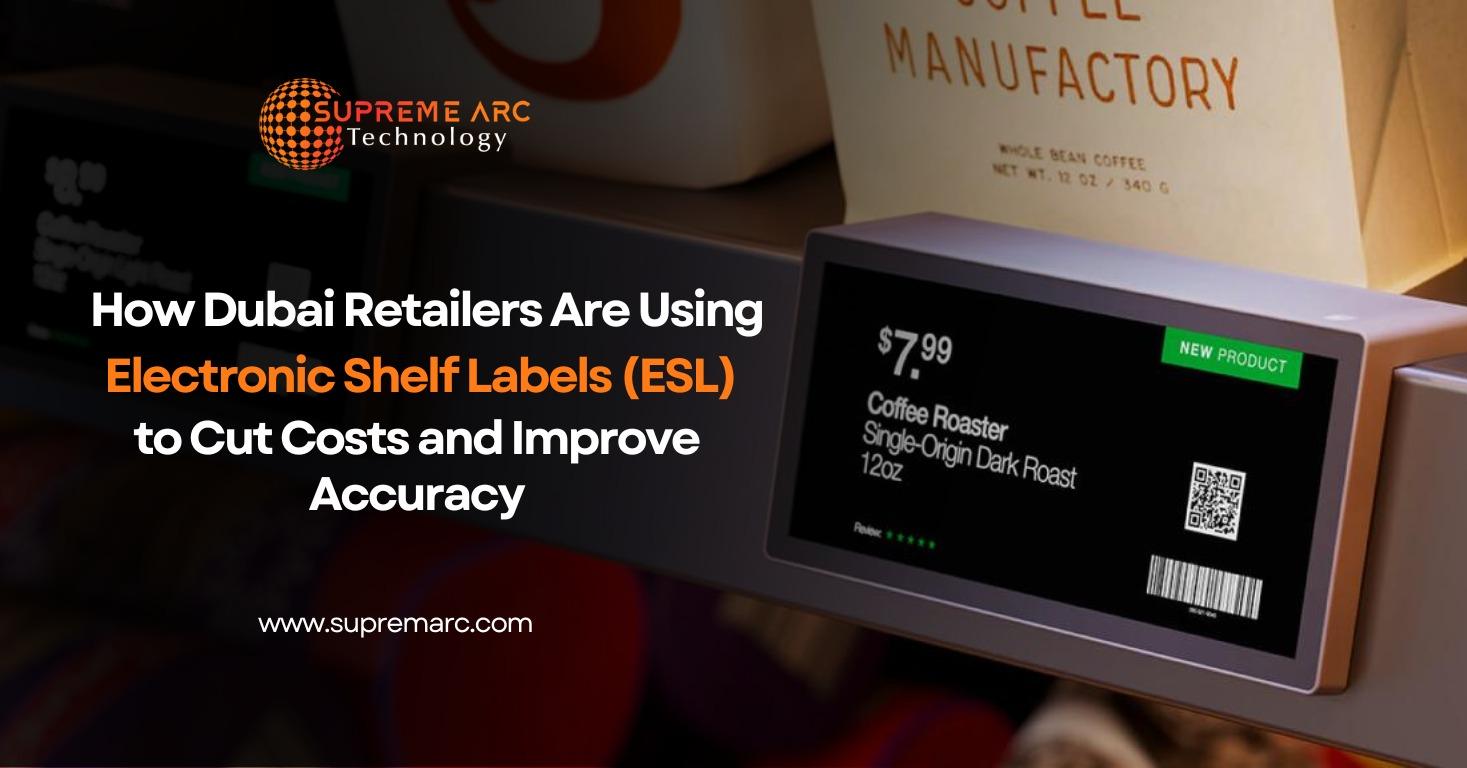
An Electronic Shelf Label (ESL) is an electronic device that replaces paper-based price tags by being placed at retail stores on shelves. The ESLs can be linked to a central management system from which retailers can update prices, promotions, and information about products instantaneously at all locations.
Current-generation ESL solutions include e-paper display screens which have the advantage of clarity, reduced energy consumption, and long battery life. Some of the features included in the display screen are:
– Product names
– Prices
– Promotions
– Barcodes and QR codes
– Inventory levels
– Specifications of products
The Growing Demand for ESL Solutions in Dubai
The Dubai retail industry is one of the most developed retail industries in the Middle East. E-commerce, dynamic pricing, and customers’ demands for up-to-date information have led to an increase in automation.
A traditional system of pricing using papers may lead to various problems, including:
Manual labor when updating prices
Human error
Discrepancies in pricing on shelves and the point-of-sales system
Delayed marketing campaigns
Expensive printing
To solve these problems retailers are switching to Electronic Shelf Labels as part of their digital transformation efforts.
How ESL Help Retailers to Cut Costs
Lower Labor Cost
Another important aspect that adds to the costs of retailers is the labor cost.
This is because, in cases where the retailer has thousands of SKUs, there would be a considerable amount of time spent on printing, sorting, and exchanging paper labels on products.
However, by using ESL technology, the process of changing prices can be done at once through one interface. As a result, the labor involved in performing tedious tasks will not be needed. Instead, staff members can engage themselves in other activities, including:
- Customer interaction
- Inventory management
- Product presentation
- Sales transaction
Lower Costs Due to Reduced Consumption of Resources Involved in Printing
Old style shelf labels are dependent on:
- Paper
- Printing ink
- Printers
- Maintenance costs
Costs tend to accumulate over time, especially in case of large retail companies.
E-Shelf Labels eliminate the need for regular printing, thereby reducing costs as well as achieving sustainability goals. This ensures that retailers save money by reducing waste in terms of discarded paper labels.
Instant Promotion Implementation
In retail operations, prices may change instantaneously for hundreds or even thousands of items. With manual intervention, it would take a business hours or even days to complete promotional activities.
By leveraging the advantages offered by ESL solutions, promotion implementations are done automatically across all stores. Hence, companies can:
- Create quick promotions
- React promptly to competition
- Organize flash sale campaigns
- Achieve accurate pricing adjustments
Improving Pricing Accuracy with ESL Solutions
Human Error Reduction
Manual price changes often lead to errors like:
- Wrong prices
- No labels
- Late update
- Differences in shelf and checkout prices
- Price differences may irritate customers and affect brand reputation.
ESL provides direct synchronization of the price data with the main database and POS system. This makes the shelf prices equal to checkout prices.
Price Synchronization in Real Time
In modern-day retail settings, constant changes in prices are needed because of:
- Increases in supplier costs
- Promotions
- Competition
- Fluctuations in inventory
ESL systems offer retailers real-time solutions for changing prices and maintaining them consistently in:
- Shelf display units
- POS systems
- The internet
- Mobile devices
Enhancing Customer Experience
- Clearly Mentioned Product Information
Shoppers value transparency in pricing and accurate information provided.
Through Modern ESLs, shoppers will be able to view extra information about the product including:
- Unit price
- Features of the product
- Discounts offered
- QR code with further information
This allows the customer to easily purchase the products independently without having to ask employees.
- Quicker Shopping Process
Pricing inquiries often eat up the time of employees. Through ESL Solutions, shoppers will be able to obtain accurate pricing and information about the product instantly without causing any delays.
- Improved Promotion Visibility
Many modern-day ESLs incorporate graphics and color coding.
The retailers will be able to show:
- Special deals
- Sale items
- Discounts from loyalty programs
- Seasonal products
Facilitating Omnichannel Retailing Strategies
Omnichannel retailing strategies are being adopted by retailer as they attempt to create synergy between their online and offline functions.
ESLs have a critical role to play here, their ability to facilitate are:
- Dynamic Pricing
Price adjustments based on
- Competitors online
- Stock
- Demands
- Promotional offers
These updates will reflect instantly across all channels.
- Click-and-Collect Facilitation
The ESL systems allow retailers to find items faster using the help of inventory systems that have been integrated into them. This leads to faster fulfillment times for the click-and-collect model and increased customer satisfaction.
- Inventory Monitoring
A few advanced ESL Systems are even integrated with inventory management software to provide real-time stock information.
Sustainability Benefits of ESL
Sustainability become one of the top priorities among retailers.
Adoption of Electronic Shelf Label technology helps achieve sustainability by:
- Saving paper
- Decreasing printing processes
- Reducing ink usage
- Conserving energy used in manual labeling processes
Considering that most ESL labels make use of ultra-low power consumption e-paper screens with batteries operating for several years, their adoption makes perfect sense from an eco-friendly perspective. ESL Solutions can help retailers with their ESG initiatives.
Which Retail Segments Benefit Most from ESL Solutions?
Some successful implementations of ESL in the different retail sectors in Dubai are:
Supermarkets and Hypermarkets
Frequent price changes and huge product catalogs make ESL an important factor for grocers.
Electronics stores
Specifications and promotions related to the products can be listed along with the prices.
Pharmacies
Pricing and regulations can be followed more easily with automatic ESL systems.
Fashion stores
Seasonal promotions and stock changes can be easily handled via ESL systems.
Specialty retailers
The large product range makes ESL an important factor in their business operations.
In continuation with the digitization process in Dubai’s retail industry, the use of Electronic Shelf Labels is becoming crucial in optimizing processes, cutting down expenses, and providing customers with enhanced experience.
With the ability to automate price changes, minimize mistakes related to prices, facilitate immediate updates, and perform omnichannel work, contemporary ESL solutions prove to be profitable for any retailer.
Companies that choose Electronic Shelf Labels right now are capable of successfully competing in a dynamically changing environment while being efficient and providing fast and convenient services for their clients.