Retailers need to change prices, do less work, make things more accurate and make sure customers have the same experience when they shop in a store or on the internet. Electronic shelf labels or ESLs give me a way to refresh shelf pricing while linking store operations directly to centralized digital systems.
What Are Electronic Shelf Labels?
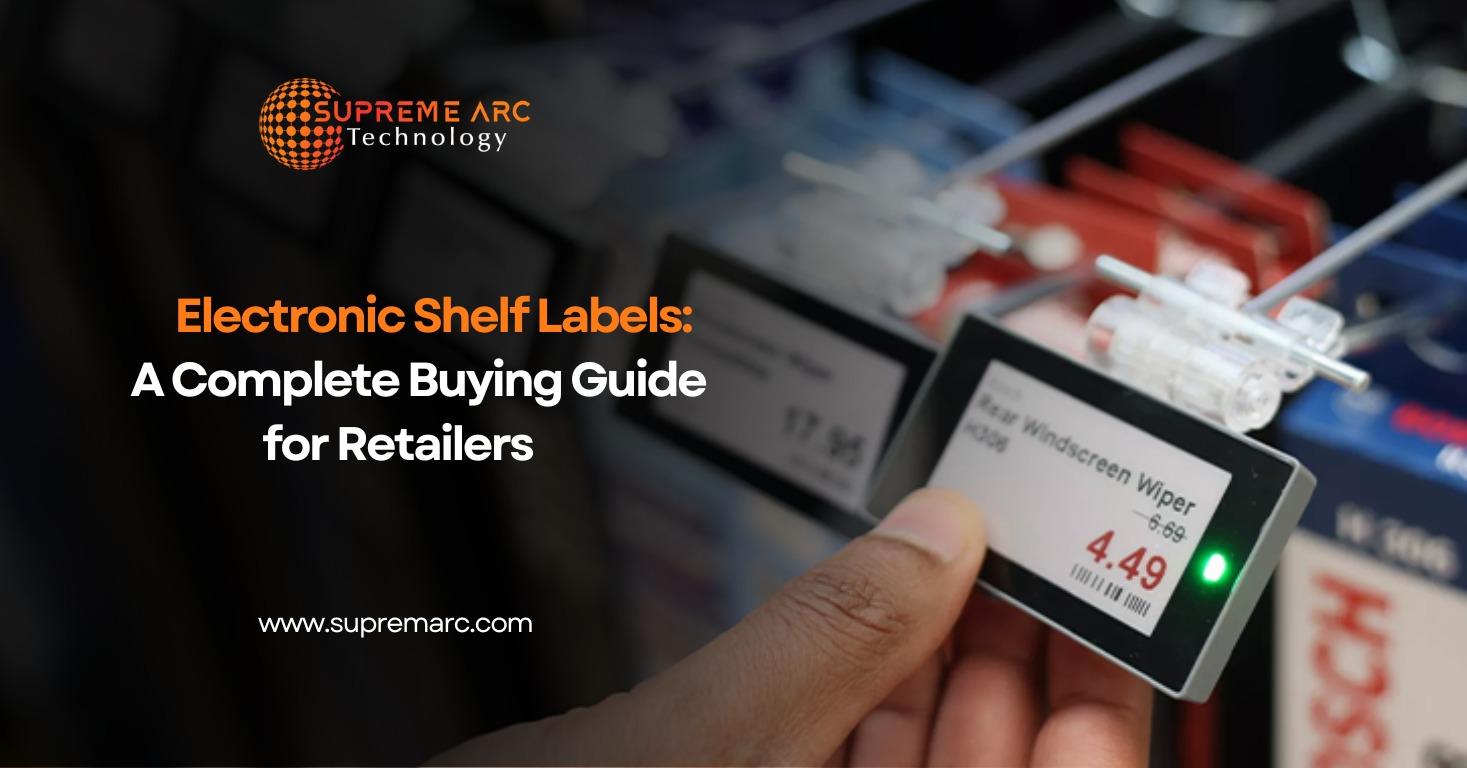
Electronic shelf labels are displays that are put on retail shelves to show product prices, names, promotions, barcodes, product information and other details. Electronic shelf labels can be updated from a platform unlike old paper labels. Electronic shelf labels may use e-paper or other low‑power technologies that provide visibility and long operating life.
When Electronic shelf labels are linked to software stores can keep pricing information in sync and cut down on the work employees do to change paper tickets. Electronic shelf labels are handy, for supermarkets, hypermarkets, pharmacies, electronics stores, fashion retailers, convenience stores and specialty outlets.
Why Should Retailers Invest in ESLs?
The main benefit of ESL technology is efficiency. Doing price changes by hand means workers need to find the products that are affected, print labels, put them on and check if they are right. This takes a lot of time in big stores.
With ESLs, people who are allowed can change prices from one place. Send the new information to the displays that are connected. Stores can then react faster to sales, times of the year changes from competitors and how they manage their stock. Digital changes can also help make sure the prices on the shelves match the prices at the checkout.
Another good thing is communication with customers in stores today. Modern ESLs can show more than a price. Depending on the system stores can put product names, sales, prices per unit, special messages, QR codes or other details, on the tags.
Factors to Consider Before Buying
Choosing the ESL solution is more than comparing screen sizes and prices. Retailers should evaluate the technology ecosystem.
1. Display Size and Type
Select a display size based on the amount of information that needs to be shown and how far the viewer will be. Small labels may suit product shelves. Bigger displays can be handy, for areas or products that need more information. Pay attention to readability, viewing angle, contrast and how well the display shows under store lighting.
2. Battery Life
Battery performance matters a lot. If I have to replace thousands of labels, that creates work that I do not need. I always ask suppliers how long a battery will last when we update the labels at frequency and in normal operating conditions. Batteries that last a long time help us cut down on maintenance and keep the system running
3. Connectivity and Communication
ESLs must talk to each other and to the platform. I look at the communication technology, how far it reaches the network design and how well it works in my store. The system I choose should let me send updates to every shelf area without adding hardware or making the network messy.
4. Software and Integration
Software is essential in an ESL deployment. You need to assess the permissions of the users, centralization, scheduling, templates, monitoring, and reporting. A Software solution provides flexibility in managing the stores from one location.
5. Installation and Scalability
Think about how the labels will be mounted, set up and kept. The solution should fit your shelf design and store layout. If you run branches check whether the system can grow without needing a new architecture. A scalable system can support store expansion and more labels.
6.Security and Reliability
Retailers need to think about communication security, access controls, how reliable the system is and how it stops people from making changes without permission. Ask the supplier how the system deals with updates that don’t work problems with internet connection watching devices and who can use the software. These things matter a lot when the pricing information is kept in one place.
7.Total Cost of Ownership
The price you pay at first is a small part of the whole investment. Think about things, like labels, gateways, software setting it up, taking care of its batteries, connecting it with systems, learning how to use it and getting help. Looking at the cost of ownership for many years can show a better picture of the investment than just looking at the cost of the hardware.
Where Can Electronic Shelf Labels Be Used?
ESLs can help different kinds of stores. In supermarkets ESLs can show prices, sales and unit prices. In food areas ESLs can keep up with prices that change often. In pharmacies ESLs can show product names and prices in a way. In electronics and fashion shops ESLs can display product details.
Questions to Ask an ESL Supplier
Before choosing an Electronic Shelf Labels Solutions Provider, retailers need to ask questions about the full setup. Does the system work with POS or ERP systems? What kind of communication technology does it use? How long do the batteries usually last? How can labels handle one gateway? Can price changes be set up in advance? Is there a way to manage stores from one place? What kind of help is there during installation and after the sale?
Trying out the system in a store can show what is needed for coverage of any problems, with putting it up how it makes work easier and what needs to be connected before expanding to more stores.
Why Choose the Right ESL Partner?
An ESL project is more than buying hardware. It requires displays, a communication network, software, integration work, installation and continuous support. I see that a good technology partner must understand how retail shops run and help make the solution fit the day‑to‑day needs. A technology partner who knows workflows can guide the ESL project to match operational requirements.
Supreme ARC offers technology solutions that help retailers use efficient retail processes. By looking at store needs, system integration, how the system can grow and support requirements retailers can build an ESL deployment that matches their business goals. Supreme ARC’s evaluation of store requirements and scalability ensures that the ESL project stays aligned with the business objectives.
Conclusion
Electronic shelf labels can help stores update how they set prices, cut down on work that people do by hand, make sure the information is correct and make the way the store runs more flexible. But for these labels to work well it’s important to pick the mix of equipment, how they connect, the software they use, how they fit with other systems, how safe they are and the help available after the sale.